

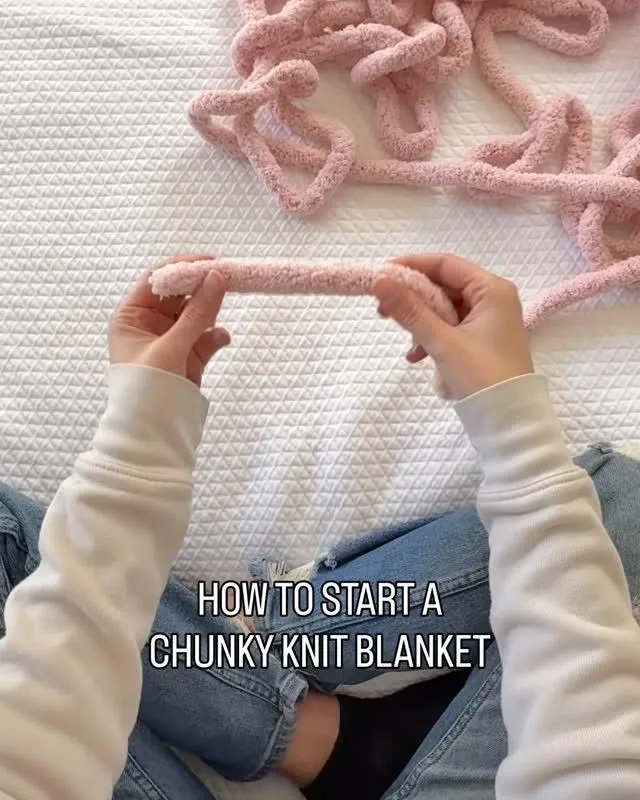
Most people quit chunky hand knitting because they buy the wrong yarn and cast on too tight. This guide gives you the exact tools, techniques, and timeline to finish a cozy blanket without the frustration.
Advertisements1
- Use jumbo yarn (1-1.5 inches thick) and US 50 needles for a fast, plush blanket.
- The long-tail cast-on with a generous tail prevents a tight, uneven edge.
- Garter stitch (knit every row) is the easiest and most forgiving pattern for beginners.
- Join new skeins with a magic knot to avoid bulky tails and unraveling.
- Bind off loosely to maintain drape and prevent a rigid edge.
- Always hand wash and air dry to avoid felting and distortion.
The Real Problem: Why Beginners Fail at Chunky Knitting
You've seen the plush, oversized blankets on Pinterest and thought, 'I can do that.' But after buying a skein of jumbo yarn and trying to cast on with your fingers, you end up with a tangled mess and sore hands. The issue isn't you—it's the lack of a clear system. Most tutorials skip the critical details: yarn weight, needle size, and tension control.
Chunky hand knitting (also called arm knitting) uses yarn that's 1-2 inches thick and requires either massive needles (US 50-100) or just your arms. The fabric grows fast, but mistakes are amplified. A single dropped stitch can unravel rows. That's why starting with the right materials and a simple pattern is non-negotiable.
In this guide, I'll walk you through seven hacks I've used to teach hundreds of beginners. Each hack includes a quick win, the why, and a common mistake to avoid. By the end, you'll have a finished blanket in 3-5 hours, not weeks.
Hack 1: Choose the Right Yarn Weight (Not All Chunky Is Equal)
**Quick win:** Buy yarn labeled 'jumbo' or 'super bulky' (weight category 7) that's at least 1 inch thick. If you can wrap it around your finger once and it covers the whole pad, it's thick enough.
**Why it works:** The thickness determines how quickly you knit and how warm the blanket is. Too thin (like category 5) and you'll need smaller needles, making the project take forever. Too thick (over 2 inches) and it's hard to manipulate, leading to hand fatigue.
**Common mistake:** Assuming all 'chunky' yarn is the same. A 0.5-inch yarn will give you a dense, heavy blanket that's stiff. Aim for 1-1.5 inches for a plush, drapey result. Check the label for 'gauge'—you want about 2 stitches per inch on US 50 needles.
Hack 2: Master the Long-Tail Cast-On for Stretch and Stability
**Quick win:** Use the long-tail cast-on with a tail that's 3 times the width of your desired blanket. For a 40-inch wide blanket, leave a 120-inch tail.
**Why it works:** This cast-on creates a stretchy, even edge that won't pull tight. It's the foundation for a rectangular blanket that lies flat. Unlike the backward loop cast-on, it won't unravel when you knit the first row.
**Common mistake:** Making the tail too short. You'll run out halfway and have to start over. Measure generously—you can always trim excess. Also, don't cast on too tightly; keep the loops loose enough to slide your needle through easily.
Hack 3: Use the Knit Stitch Only for a Garter Stitch Fabric
**Quick win:** Knit every row. That's it. This creates garter stitch, which is reversible, lies flat, and doesn't curl.
**Why it works:** Garter stitch is the easiest stitch for beginners because you only need to know one motion. It's also forgiving—if you drop a stitch, it won't ladder down as easily as stockinette. The texture is squishy and perfect for chunky blankets.
**Common mistake:** Switching to purl stitches to 'make it look nicer.' Purl requires a different motion and can create uneven tension. Stick to knit until you're comfortable. If you want variety, add a border of seed stitch (knit 1, purl 1) after you've mastered the basics.
Hack 4: Manage Tension with the 'Scoop and Slide' Method
**Quick win:** After each stitch, give the working yarn a gentle tug to maintain even tension. But don't pull too hard—you want the loops to be snug, not tight.
**Why it works:** Tension control is what separates a professional-looking blanket from a lumpy one. The 'scoop and slide' method: insert your needle, scoop the yarn, slide the old loop off, and immediately adjust the new loop to match the size of the others. Consistency is key.
**Common mistake:** Death-gripping the yarn. This causes hand cramps and uneven stitches. Relax your hands and let the yarn flow. If your hands hurt after 10 minutes, you're working too tightly. Take a break and stretch.
Hack 5: Join New Skeins with the 'Magic Knot' (No Tails to Weave)
**Quick win:** When you run out of yarn, use the magic knot to join a new skein. It's a secure knot that disappears into the fabric.
**Why it works:** Traditional knots create bumps and can come undone. The magic knot involves tying two overhand knots that slide together and lock. It's strong enough for chunky yarn and leaves virtually no tail to weave in.
**Common mistake:** Tying a regular square knot. It will unravel over time, especially after washing. The magic knot is foolproof once you practice it twice. YouTube has 30-second tutorials—watch one before you start.
Hack 6: Bind Off Loosely for a Flexible Edge
**Quick win:** Use the basic bind-off but work it with a needle two sizes larger, or use your fingers to keep loops loose. For arm knitting, simply lift the loop over the next and pull gently.
**Why it works:** A tight bind-off creates a rigid edge that won't stretch with the rest of the blanket. A loose bind-off maintains the drape and allows the blanket to lie flat. It also makes the edge look professionally finished.
**Common mistake:** Binding off too tightly because you're afraid it will unravel. It won't—chunky yarn has enough friction to hold. If you're worried, thread the tail through the last loop and pull snug, then weave in the end.
Hack 7: Block and Care for Your Blanket to Make It Last
**Quick win:** After finishing, lay the blanket flat on a clean sheet and mist it lightly with water. Let it air-dry for 24 hours. This is 'blocking' and it evens out stitches.
**Why it works:** Blocking relaxes the fibers and sets the shape. For chunky wool, it also fluffs the yarn. Never wring or twist the blanket—it will distort the stitches. For washing, hand wash in cold water with a gentle detergent, then roll in a towel to remove excess water and lay flat to dry.
**Common mistake:** Throwing it in the washing machine. Even on gentle, the agitation can cause extreme felting, turning your blanket into a mat. Always hand wash. If you must machine wash, use a mesh bag and choose a wool cycle, but hand washing is safer.
The Hacks, Step by Step
- 1Gather Your Supplies
You'll need 6-8 skeins of jumbo yarn (about 100 yards total for a 40×60-inch blanket), US 50 circular needles (or your arms), and a pair of scissors. Optional: a large crochet hook for weaving in ends. - 2Cast On 30 Stitches
Using the long-tail method, cast on 30 stitches for a 40-inch width. Keep the cast-on loose. Count your stitches twice to avoid mistakes. - 3Knit Every Row
Work in garter stitch (knit all stitches) until the blanket measures 60 inches from the cast-on edge. This will take about 3-4 hours at a relaxed pace. - 4Join New Yarn as Needed
When you have about 12 inches of yarn left, use the magic knot to attach a new skein. Trim the tails close to the knot. - 5Bind Off Loosely
Bind off all stitches using a loose tension. Cut the yarn, leaving a 6-inch tail, and pull it through the last loop. - 6Weave In Ends
Use a crochet hook or your fingers to weave the tails into the fabric for 3-4 inches. Don't knot them—weaving hides them securely. - 7Block and Dry
Lay the blanket flat, mist with water, and let it dry completely. This step is optional but improves the final look.
The difference between a lumpy blanket and a professional-looking one is not skill—it's tension control and the right yarn weight.
Frequently Asked Questions
How much yarn do I need for a chunky hand knit blanket?
For a 40×60-inch blanket, you'll need about 6-8 skeins of jumbo yarn (approximately 100 yards total). The exact amount depends on your gauge and desired size. Always buy one extra skein to be safe.
Can I use my arms instead of needles?
Yes, arm knitting is a popular method for chunky blankets. Your arms act as giant needles, and you use your hands to manipulate the yarn. It's faster but can be tiring for long projects.
How long does it take to make a chunky hand knit blanket?
Most beginners finish a 40×60-inch blanket in 3-5 hours. With practice, you can complete one in 2-3 hours. The thick yarn makes the project move quickly.
What is the best stitch for a chunky blanket?
Garter stitch (knit every row) is the best for beginners because it's simple, lies flat, and doesn't curl. Stockinette stitch (knit one row, purl one row) creates a smoother look but curls at the edges.
How do I wash a chunky knit blanket?
Hand wash in cold water with a gentle detergent, then gently squeeze out excess water (don't wring). Lay flat to dry on a towel. Avoid machine washing and drying to prevent felting and shrinkage.


