

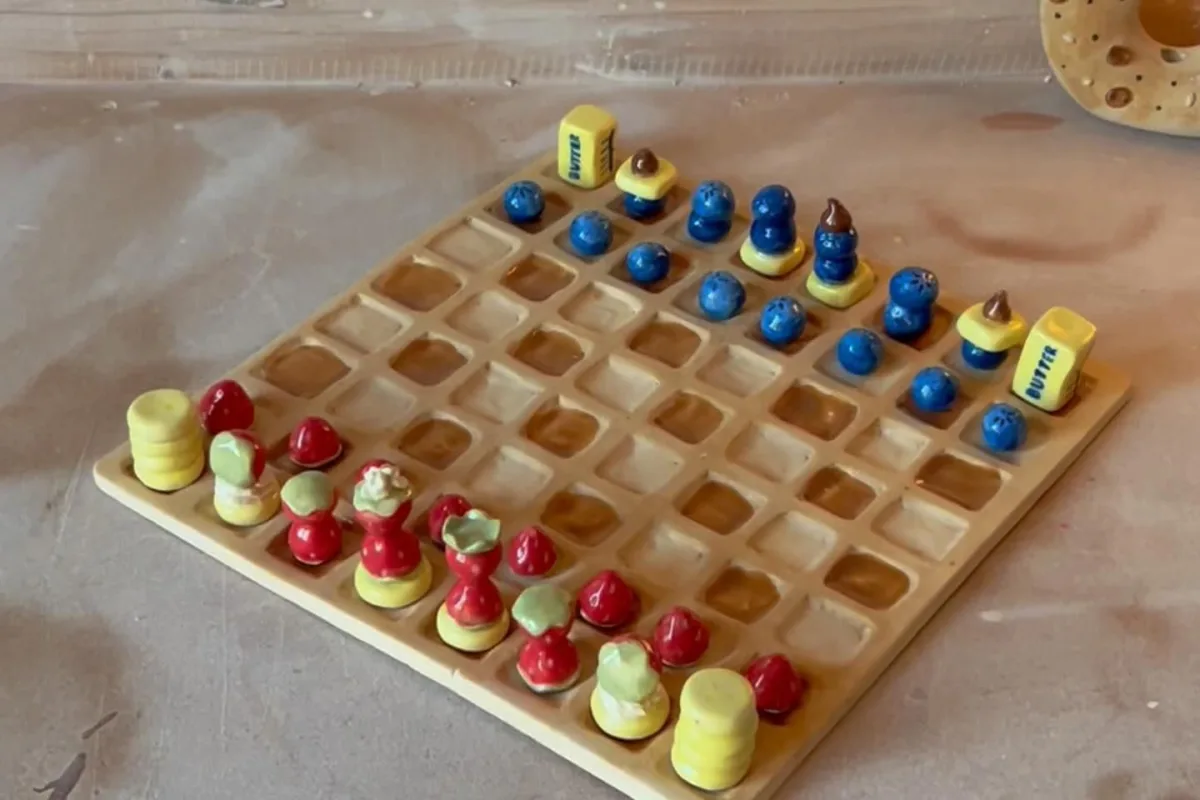
If you’ve ever wanted a chess set that feels more cozy than competitive, you’re in the right place. I’ve spent weekends hand-painting ceramic pieces for my own board, and I’m sharing the exact hacks that made it doable—even with kids underfoot.
Advertisements1
- Cute chess sets make the game approachable for beginners and kids.
- Bisque ceramic blanks are affordable and easy to customize.
- Thin layers and drying time are key to smooth finish.
- Use dotting tools for precise small details.
- Local kiln services make firing accessible without owning a kiln.
- Involve family for a meaningful project.
Why Cute Chess Sets Are Worth the Effort
Let’s be honest: standard chess pieces are boring. But when you turn them into tiny cats, bunnies, or even little houses, the game transforms. My kids started asking to play because they wanted to touch the pieces—and that’s a win. Plus, hand-made sets make perfect gifts that show you care.
Choosing the Right Ceramic Blanks
You don’t need to throw your own clay. I buy plain white ceramic chess pieces from craft stores or online—they cost about $20 for a full set. Look for bisque-fired pieces with a matte finish; they absorb glaze evenly. Avoid glossy pre-glazed pieces unless you’re using special paint.
Tools That Save Your Sanity
Invest in fine-tipped brushes (size 0 or 1), a palette for mixing, and a good ceramic glaze pen for details. I also keep a damp sponge nearby to fix mistakes quickly. And always have a clear workspace—my dining table works, but I cover it with newspaper.
Painting Techniques for Tiny Pieces
Start with a base coat of underglaze—two thin layers are better than one thick one. Let each layer dry for 15 minutes. For faces, I use a dotting tool or toothpick to make perfect eyes. Remember: less is more. You can always add, but removing wet glaze is messy.
Firing and Finishing Like a Pro
After painting, let pieces dry completely for 24 hours. Then fire them in a kiln according to your glaze’s instructions—usually cone 06. If you don’t have a kiln, check local pottery studios; they often fire for a small fee. Once fired, apply a clear gloss glaze for shine, then fire again.
Making It Family-Friendly
Get the kids involved by letting them paint the pawns as their own characters. My daughter made hers into little chicks. Use washable paints for practice, then transfer designs to real pieces. This turns a solo project into a bonding activity.
Displaying Your Set with Pride
Don’t hide your cute set in a closet. Place it on a shelf or coffee table where it sparks joy. I use a wooden tray to keep pieces organized. It’s a conversation starter—and a reminder that you made something beautiful.
The Hacks, Step by Step
- 1Pick a Theme
Decide on a cute motif—like animals, desserts, or plants—so pieces feel cohesive. I chose a garden theme with flowers and bugs. - 2Sketch First
Draw your designs on paper to plan colors and shapes. It prevents mistakes and makes painting faster. - 3Base Coat
Apply two thin layers of underglaze to each piece, letting it dry in between. This ensures even color. - 4Add Details
Use fine brushes and dotting tools for eyes, smiles, and patterns. Work from top to bottom to avoid smudging. - 5Fire Once
Bisque fire your painted pieces to set the underglaze. Follow the manufacturer’s temperature guide. - 6Glaze and Fire Again
Apply a clear gloss glaze and fire to the recommended cone. This makes pieces durable and shiny. - 7Create a Board
Paint or draw a matching board on a ceramic tile. Use washi tape for clean grid lines.
Hand-painting each piece turns a game into a story you tell with every move.
Frequently Asked Questions
Can I use regular acrylic paint on ceramic chess pieces?
No, regular acrylics won't survive firing. You need ceramic underglaze or glaze paints. They come in many colors and are easy to find online.
How much does it cost to make a ceramic chess set?
You can make a full set for under $50, including blanks, paints, and firing fees. If you already have supplies, it's even cheaper.
Do I need a kiln to make ceramic pieces?
No, you can use a local pottery studio or community kiln. Many charge per firing, around $10–$20 for a small batch.
What's the best way to paint tiny details on chess pieces?
Use a fine-tipped brush (size 0) or a dotting tool. Work with a steady hand and rest your wrist on the table. Patience is key.
How do I make the board look cute too?
Paint a board on a ceramic tile with alternating colors. Add small decorative elements like hearts or stars in the corners.


