

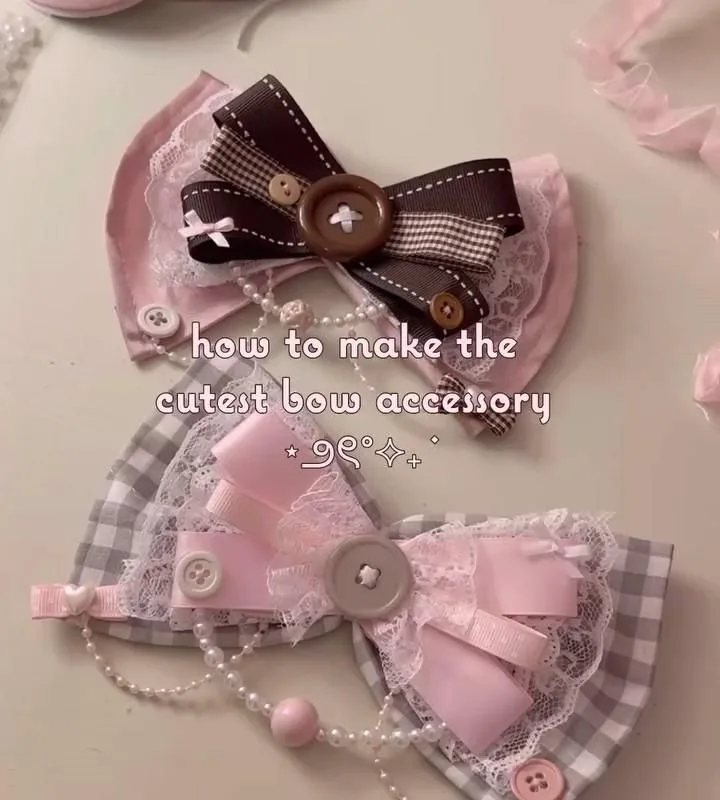
Most accessory advice is decoration advice dressed up as strategy — and it shows the moment you're rushing out the door. Here are seven hacks I've tested across hundreds of outfits, each with the exact reason it works and the mistake that quietly ruins it.
Advertisements1
- Limit yourself to two metals across ears, neck, and wrist — a third reads as noise, not style.
- Match necklace length to neckline: 16-18 inches for crew, 20-22 for V-neck, and skip the necklace on off-shoulder.
- Scale is a proportion decision, not a trend decision — check statement pieces from three feet back in daylight.
- Five repeatable core pieces outperform thirty trend buys; cost per wear is the only metric that matters.
- If you can't see an accessory in three seconds, you won't wear it — store core pieces on hooks at eye level.
Why Accessories Fail Before You Even Put Them On
Accessories don't fail because you picked the wrong earrings. They fail because you picked them under bad light, at the wrong scale, or without a mirror you trust. Think of accessories like seasoning: a dish isn't ruined by salt, it's ruined by salting at the wrong moment. You need a system before you need a purchase.
The single most useful shift is to stop treating accessories as finishing touches and start treating them as structural decisions. Decide the metal, the scale, and the number of pieces before you decide the outfit. When I plan jewelry first, I wear the same pieces three times more often because they're not competing with a print or a neckline.
Here's the part the styling industry won't tell you: most 'must-have accessory' lists are affiliate marketing with a mood board. Nobody needs a curated capsule of trend pieces. You need five decisions you can repeat in ninety seconds. That's what the rest of this list gives you.
The 3-Point Rule for Metal Mixing
Pick three anchor points on your body — usually ears, neck, and wrist — and allow a maximum of two metals across them. That means silver earrings plus a gold necklace plus a silver bracelet breaks the rule; silver earrings plus a gold necklace plus a gold bracelet holds it. The reason is visual: three metals read as noise, two read as intention.
Why it works: your eye groups similar tones automatically, so repeating a metal creates a line of continuity that makes an outfit look considered even when it isn't. You can cheat by using a two-tone piece as the bridge — a silver-and-gold watch or a mixed-metal chain — which licenses the third metal without the mess.
The common mistake is mixing metals at the same scale. A chunky silver cuff next to a delicate gold chain doesn't read as mixing, it reads as an accident. If you want to mix, keep the weights close.
The Neckline-to-Necklace Formula
Match necklace length to neckline, not to your mood. Crew neck: a 16-18 inch chain that sits just above the collar. V-neck: a pendant that lands inside the V, roughly 20-22 inches. Strapless or square neck: a collar or choker at 14-16 inches. Off-shoulder: skip the necklace entirely and move the weight to your ears.
Why it works: a pendant that lands at the wrong point creates a second competing focal point, and your eye doesn't know where to rest. Put the pendant inside the negative space the neckline creates and the whole look snaps into focus. This is the same principle as hanging art centered on a wall, not floating six inches off-center.
Mistake to avoid: layering three chains of similar length. They tangle and read as one clump. Space layers at least two inches apart — 16, 18, and 22 inches is a reliable stack.
Scale Is Decided By Your Frame, Not the Trend
Measure your face width at the cheekbones and your shoulder width at the deltoids. If your face is narrow relative to your shoulders, oversized earrings balance you; if your face is wide, long drop earrings do the work. The trend cycle ignores this entirely, which is why the same statement earring looks editorial on one person and like a costume on another.
Why it works: accessories are proportion tools. A large earring adds visual width at the head, a long drop adds length. You're not decorating, you're adjusting the silhouette. Once you know your ratio, you can shop a trend without ever getting it wrong.
Common mistake: buying statement pieces for the photo and not the mirror. Photographs flatten scale, so a piece that looks perfect in a flat-lay can overwhelm your actual proportions. Try it on in daylight, from three feet back, before you commit.
The Bag-to-Outfit Ratio Nobody Teaches
Your bag should be roughly one-third the visual width of your torso, or clearly, deliberately smaller. A tote the width of your hips swallows a petite frame; a micro bag on a broad frame looks like a prop. Hold the bag against your body in a mirror and check that it doesn't cover more than half your waist.
Why it works: the bag sits at the widest part of most outfits, so it either reinforces or fights your proportions. A bag that ends at your natural waist creates a waistline. A bag that ends mid-thigh drags the eye down and shortens your legs.
Mistake: matching bag and shoes exactly. It's not wrong, it's just flat — and it makes every outfit look like a set. Match the bag to your belt or your metal instead, and let the shoes do their own thing.
Build a Five-Piece Core Before You Buy Anything New
Before adding a single accessory, audit what you own against five roles: one everyday watch, one pair of studs, one pendant on a fine chain, one belt that matches your most-worn shoes, and one scarf or bandana. If you own all five and wear them, you have a functioning system. If you're missing two or more, that's your shopping list — nothing else.
Why it works: accessories multiply outfits only when they're repeatable. Five pieces you wear weekly beat thirty pieces you wear once, and the math is brutal: a $40 pendant worn 100 times costs 40 cents a wear, while a $15 trend piece worn twice costs $7.50 a wear.
Mistake: buying the trend version of a core piece. A novelty belt with a giant buckle can't do the job of a plain leather belt, so you end up buying twice. Buy the boring one first.
Store Accessories So You Actually Wear Them
Hang a small pegboard or a row of hooks at eye level inside your closet door and put your five core pieces on it. Necklaces on individual hooks, earrings on a felt strip, belts rolled in a drawer you open daily. If you can't see it in three seconds, you won't wear it.
Why it works: friction beats intention every time. Jewelry in a closed box gets worn on special occasions; jewelry on a hook gets worn on Tuesday. I moved my watch and studs to a hook by the door and my wear rate roughly tripled without buying anything.
Mistake: storing chains in a tangled pile and telling yourself you'll untangle them later. You won't. Hang them, and keep a lint roller and a polishing cloth in the same spot so maintenance takes ten seconds.
The Hacks, Step by Step
- 1Audit your five core pieces
Lay out your watch, studs, pendant, belt, and scarf. Anything missing becomes your only shopping list for the next month. - 2Pick your two metals
Choose the two metals you'll allow across ears, neck, and wrist, and note which piece will bridge them. - 3Measure your necklace lengths
Use a tape measure against your neckline and write down the three lengths that actually land correctly on you. - 4Check scale in daylight
Stand three feet from a mirror in daylight and try on your largest earrings and bag. If either overwhelms your frame, retire it. - 5Set up a visible hook station
Install hooks or a pegboard at eye level and hang your core pieces where you'll see them every morning. - 6Photograph your best three combinations
Take mirror photos of three outfits you'd repeat, and save them in a phone album labeled 'defaults' for rushed mornings.
Accessories aren't decoration, they're proportion tools — get the scale and the metal right and the outfit does the rest.
Frequently Asked Questions
How do I mix gold and silver jewelry without it looking messy?
Limit yourself to two metals across three anchor points and use a two-tone piece as the bridge. Keep the weights of the pieces similar so the mix reads as intentional rather than accidental.
What necklace length goes with a V-neck?
A pendant that lands inside the V, usually 20-22 inches. That places the focal point in the negative space the neckline creates instead of competing with it.
How many accessories is too many?
More than three visible pieces at once is usually one too many. Pick ears, neck, and wrist as your three slots and let the rest of the outfit breathe.
Should my bag match my shoes?
Not necessarily — exact matching looks flat. Match the bag to your belt or your metal tone instead and let the shoes stand on their own.
What accessories should I buy first?
A plain leather belt, a fine-chain pendant, stud earrings, a simple watch, and a neutral scarf. These five cover the most outfits and never go out of season.


