

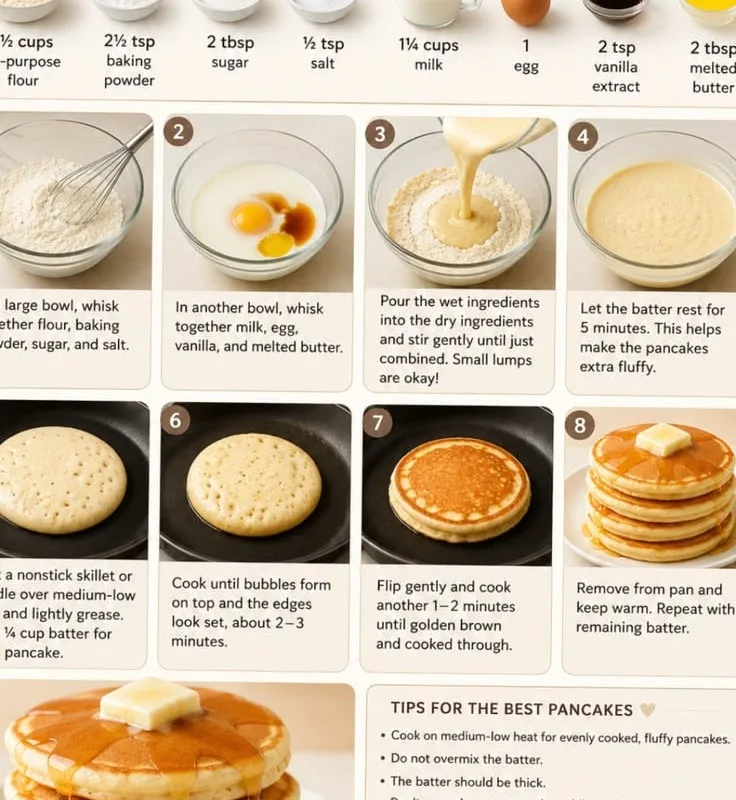
Some recipes are born from a photograph. This Pinterest Image Skillet Cornbread is exactly that – a pan of cornbread so golden-edged and honey-brushed that it stopped me mid-scroll one rainy Tuesday, and I spent the next three weekends chasing that exact shade of amber. Now it lives on my counter every soup season, and I suspect it will live on yours too.
Advertisements1
Here is the secret nobody tells you: great cornbread is a texture story, not a sugar debate. A screaming-hot cast-iron pan gives you a crust like a toasted marshmallow's edge, while buttermilk and a whisper of melted butter keep the crumb tender enough to pull apart in soft, steaming ribbons.
So preheat that skillet until it hums. We are baking something worth pinning – and even more worth eating straight from the pan with a fork, standing at the stove, zero regrets.
Why You'll Love This Recipe
About the Ingredients
1 1/2 cups (225g) medium-grind yellow cornmeal
Medium grind gives the best chew; stone-ground works beautifully if you have it. Avoid coarse polenta grind, which stays gritty – and if you only have fine cornmeal, reduce the buttermilk by 2 tablespoons.
1 cup (125g) all-purpose flour
This keeps the crumb from collapsing. For a gluten-free version, swap in a 1:1 baking blend plus 1/2 teaspoon xanthan gum.
3 tablespoons (38g) granulated sugar
Yes, sugar – this is a northern-style, tender cornbread. Cut it to 1 tablespoon for a savory Texas-style pan.
2 teaspoons baking powder
Check the date on your can; stale baking powder is the quiet culprit behind flat cornbread. Test by dropping a pinch in hot water – it should fizz immediately.
1/2 teaspoon baking soda
The soda reacts with the buttermilk's acid for lift and a subtle tang. No buttermilk? Use 1 3/4 cups milk plus 2 tablespoons lemon juice and keep the soda.
1 1/4 teaspoons fine sea salt
Salt balances the sugar and makes the corn taste more like corn. If using salted butter, drop this to 1 teaspoon.
2 large eggs, room temperature
Room-temperature eggs emulsify into the batter more smoothly. Float cold eggs in warm water for 10 minutes if you forgot to plan ahead.
1 1/2 cups (360ml) buttermilk, well shaken
Full-fat buttermilk gives the richest crumb. Substitute 1 1/2 cups whole milk mixed with 1 1/2 tablespoons white vinegar, rested 10 minutes.
6 tablespoons (85g) unsalted butter, melted and slightly cooled
Melt, then cool for 5 minutes so it does not cook the eggs. Bacon drippings make a spectacularly savory swap – use 5 tablespoons.
2 tablespoons honey, warmed, for brushing
Warm honey brushes on like silk and sets into a glossy finish. Maple syrup works, though it browns a touch faster under the broiler.
Tips & Tricks
Preheat the pan, not just the oven
A cold skillet means a pale, soft crust. Let the cast iron heat with the oven for the full 15 minutes so the batter sizzles on contact.
Do not overmix the batter
Stir just until the flour streaks disappear. Every extra stroke develops gluten and turns tender cornbread into a rubbery brick.
Rest before baking
A 10-minute rest hydrates the cornmeal and prevents a gritty bite. Use that pause to set the table – or to answer one more email.
Pro Tips
Step-by-Step Instructions
1. Heat the oven and skillet
Place a 10-inch cast-iron skillet with 1 tablespoon of the butter in a 425°F (220°C) oven for 15 minutes, until the butter is melted and the pan is shimmering hot. A properly heated pan is the entire secret to that golden, crisp edge.
2. Whisk the dry ingredients
In a large bowl, whisk together the cornmeal, flour, sugar, baking powder, baking soda, and salt until evenly combined. Break up any cornmeal clumps with your fingertips as you go.
3. Combine the wet ingredients
In a second bowl or large measuring jug, whisk the eggs, buttermilk, and remaining 5 tablespoons melted butter until smooth and slightly frothy, about 30 seconds. The mixture should look like pale, glossy cream.
4. Fold the batter together
Pour the wet into the dry and fold with a spatula just until no dry flour remains, about 12 to 15 strokes. The batter will be thick and lumpy – that is exactly right; lumps mean tenderness.
5. Rest the batter
Let the batter rest for 10 minutes at room temperature so the cornmeal hydrates. It should thicken noticeably and look matte rather than wet.
6. Pour into the hot skillet
Carefully pull the hot skillet from the oven, swirl the melted butter to coat the sides, and scrape in the batter, spreading it evenly. It should sizzle softly at the edges the moment it hits the pan.
7. Bake until deeply golden
Bake at 425°F (220°C) for 22 to 26 minutes, until the top is deep golden brown, the edges are pulling from the pan, and a toothpick inserted in the center comes out clean. The internal temperature should read 200°F (93°C) on an instant-read thermometer.
8. Brush with honey and serve
Brush the warm honey over the top, then cool in the pan for 10 minutes before cutting into wedges or squares. Serve warm with butter, chili, or a bowl of greens.
Delicious Variations
Jalapeño Cheddar
Fold 1 cup shredded sharp cheddar and 1 diced, seeded jalapeño into the batter for a savory, melty pan with a gentle kick.
Honey-Butter Sweet
Increase sugar to 1/3 cup and stir 2 tablespoons honey into the wet ingredients for a dessert-leaning cornbread that begs for ice cream.
Bacon and Scallion
Swap the butter for bacon drippings and fold in 4 crumbled slices of bacon plus 3 sliced scallions – a savory showstopper alongside roast chicken.
How to Store Pinterest Image Skillet Cornbread
Refrigerator
Store cooled cornbread in an airtight container at room temperature for 2 days, or refrigerate for up to 5 days wrapped tightly in foil.
Freezer
Wrap individual squares in plastic, then foil, and freeze up to 3 months. Thaw overnight in the refrigerator before reheating.
Reheating
Warm squares in a 350°F (175°C) oven for 8 to 10 minutes, or split and toast cut-side down in a buttered skillet for a crisp, golden edge.
Frequently Asked Questions
Q: Why is my cornbread dry and crumbly?
Overbaking is almost always the cause – pull the pan as soon as the center reads 200°F (93°C) and the edges are golden. Using full-fat buttermilk and measuring flour by weight rather than scooping also keeps the crumb tender.
Q: Can I make cornbread without buttermilk?
Yes – stir 1 1/2 tablespoons of white vinegar or lemon juice into 1 1/2 cups of whole milk and let it sit 10 minutes until lightly curdled. The acidity still reacts with the baking soda, so the rise stays tall.
Q: Can I bake this cornbread in a regular pan instead of cast iron?
Absolutely – use a buttered 9-inch square metal pan and preheat it the same way, though the crust will be slightly less crisp. Add 2 to 3 minutes to the bake time and rely on the 200°F (93°C) internal temperature.
Q: Should cornbread be sweet or savory?
That is a regional love language – northern-style leans sweet with 3 tablespoons of sugar, while southern-style is savory and often sugar-free. This recipe sits in the middle; adjust the sugar to your own tradition.
Q: How do I keep cornbread from sticking to the skillet?
Preheat the pan with a full tablespoon of butter so it coats the sides and bottom before the batter goes in. If your skillet's seasoning is patchy, add a parchment sling or use a well-buttered baking pan.
Bake it once and I promise you will know the sound of a properly heated skillet by heart – that little sizzle is the sound of a crust being born. Share your golden pan with me, tell me whether you went sweet or savory, and pass the recipe to the friend who always brings chili. Write boldly, dream wildly.

Pinterest Image Skillet Cornbread
Pinterest Image Skillet Cornbread bakes up golden, craggy-topped, and impossibly moist in one cast-iron pan – the cozy side dish your chili has been waiting for.
🧂 Ingredients
- 1 1/2 cups (225g) medium-grind yellow cornmeal
- 1 cup (125g) all-purpose flour
- 3 tablespoons (38g) granulated sugar
- 2 teaspoons baking powder
- 1/2 teaspoon baking soda
- 1 1/4 teaspoons fine sea salt
- 2 large eggs, room temperature
- 1 1/2 cups (360ml) buttermilk, well shaken
- 6 tablespoons (85g) unsalted butter, melted and slightly cooled
- 2 tablespoons honey, warmed, for brushing
📋 Instructions
- 1Heat the oven and skillet — Place a 10-inch cast-iron skillet with 1 tablespoon of the butter in a 425°F (220°C) oven for 15 minutes, until the butter is melted and the pan is shimmering hot. A properly heated pan is the entire secret to that golden, crisp edge.
- 2Whisk the dry ingredients — In a large bowl, whisk together the cornmeal, flour, sugar, baking powder, baking soda, and salt until evenly combined. Break up any cornmeal clumps with your fingertips as you go.
- 3Combine the wet ingredients — In a second bowl or large measuring jug, whisk the eggs, buttermilk, and remaining 5 tablespoons melted butter until smooth and slightly frothy, about 30 seconds. The mixture should look like pale, glossy cream.
- 4Fold the batter together — Pour the wet into the dry and fold with a spatula just until no dry flour remains, about 12 to 15 strokes. The batter will be thick and lumpy – that is exactly right; lumps mean tenderness.
- 5Rest the batter — Let the batter rest for 10 minutes at room temperature so the cornmeal hydrates. It should thicken noticeably and look matte rather than wet.
- 6Pour into the hot skillet — Carefully pull the hot skillet from the oven, swirl the melted butter to coat the sides, and scrape in the batter, spreading it evenly. It should sizzle softly at the edges the moment it hits the pan.
- 7Bake until deeply golden — Bake at 425°F (220°C) for 22 to 26 minutes, until the top is deep golden brown, the edges are pulling from the pan, and a toothpick inserted in the center comes out clean. The internal temperature should read 200°F (93°C) on an instant-read thermometer.
- 8Brush with honey and serve — Brush the warm honey over the top, then cool in the pan for 10 minutes before cutting into wedges or squares. Serve warm with butter, chili, or a bowl of greens.

Amara explores creative writing and storytelling, with a focus on finding your unique voice and building compelling narratives. She shares prompts and exercises to spark imagination, drawing on her love of folklore and modern fiction.


